Building Skills, Building Futures
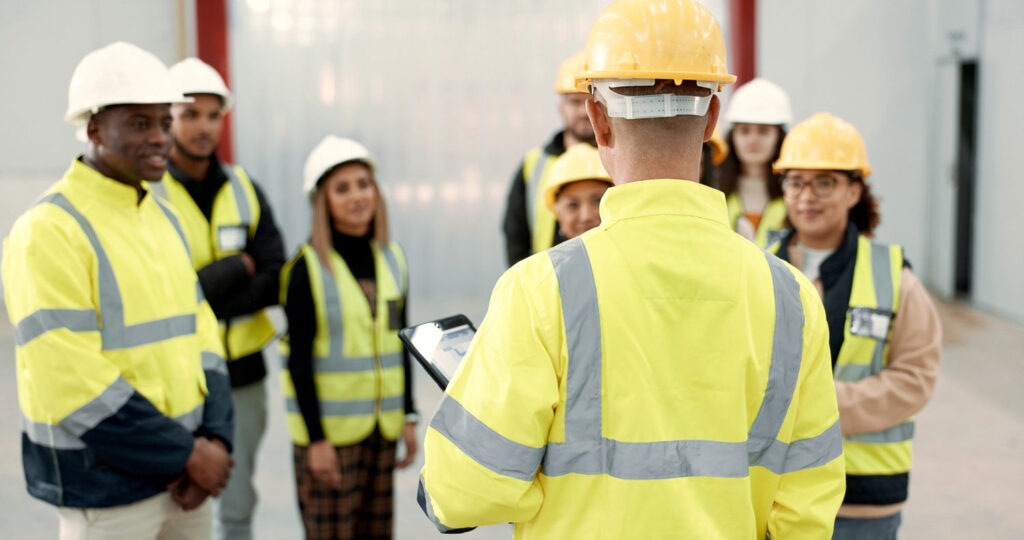
We train people for construction careers through hands-on work on actual projects. Program participants learn environmental site assessment, energy-efficient building techniques, and universal design while working on real developments.
Training covers site preparation, construction fundamentals, universal design, and project coordination. People learn by doing, on actual job sites, building actual homes.
Our skill development programs integrate environmental assessment with construction training. Participants graduate with verified experience that opens pathways to construction careers, environmental consulting, and community development work.
Universally Designed Homes
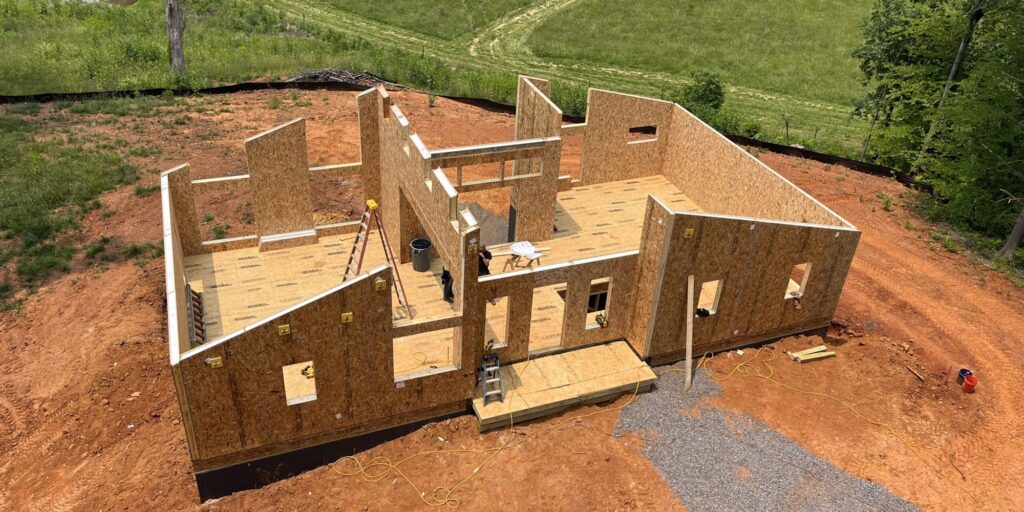
We develop homes using energy-efficient building practices and universal design principles. These projects serve as both housing and training sites where people learn construction by building real homes.
Universal design means homes that work for everyone. Wide doorways, accessible features, thoughtful layouts that serve families across all ages and abilities. Not just meeting code, but building better.
Through partnerships that enable flexible financing, we move projects forward without typical delays. Our developments demonstrate how workforce training and housing creation can happen simultaneously, building both community assets and community capacity.
Current work includes single-family home developments that showcase energy-efficient building practices while providing hands-on training environments for program participants.
The homes serve a dual function: accessible housing for residents who’ve been waiting years for units designed around their actual needs, and training laboratories where construction timeline accommodates workforce development learning curve while maintaining professional standards.
Development approach emphasizes universal design principles driving all construction decisions, SIPS construction for energy efficiency and training value, accessibility as innovation driver rather than accommodation, and local workforce development integrated into the construction timeline. The project specializes in single-family affordable housing (30-80% AMI), post-acute rehabilitation housing, energy-efficient building design using SIPS technology, and full ADA compliance with innovative accessibility features through community-controlled development with resident engagement.
Status: Pre-development phase.
This is what community-controlled development looks like in practice. The neighborhood that needs housing develops the workforce capacity to build it. The accessibility requirements drive innovation in both construction technique and community engagement. And the project creates entry points for workers trained specifically in community-serving construction.
From Vacant to Valuable
We work with sites others overlook. Vacant lots. Environmentally challenging parcels. Places with potential but problems.
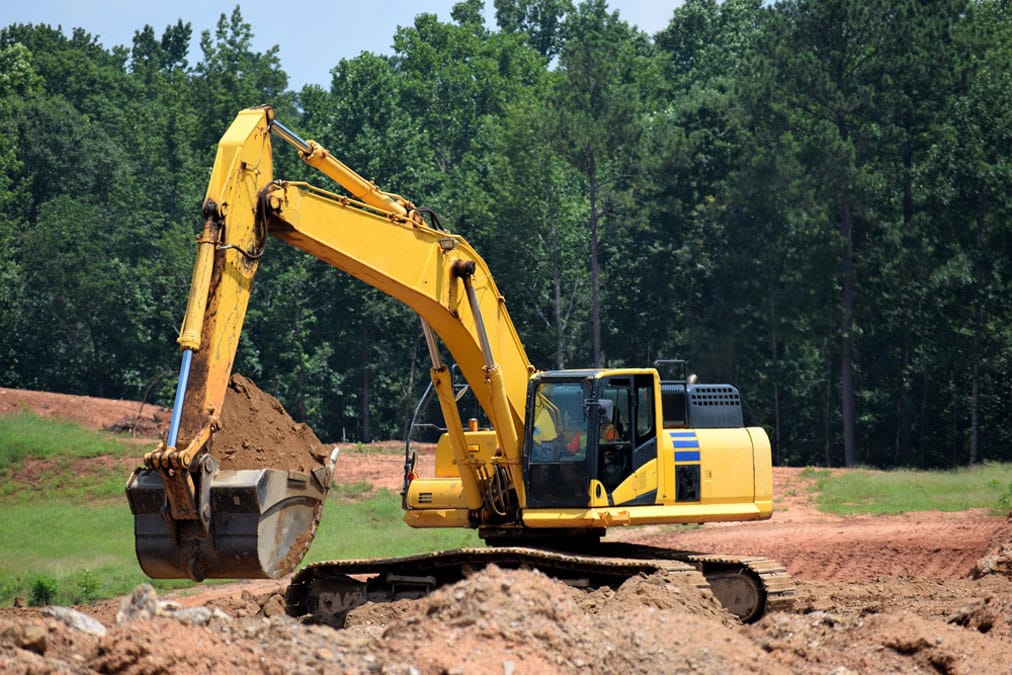
Program participants learn site assessment, environmental evaluation, and land preparation while converting these sites into buildable land. The work creates both development opportunities and career pathways in environmental assessment.
Our approach transforms Locally Unwanted Land Uses (LULUs) into community assets. Environmental challenges become workforce training opportunities. Sites that were barriers to development become foundations for both housing and careers.
We’re building a pipeline that converts overlooked land into development-ready sites while training people in the skills communities need for long-term environmental stewardship and sustainable development.
Skills Learned
Assessment
Community residents assess environmental conditions of potential development site while learning site evaluation techniques that become permanent community capacity.
Remediation
Environmental remediation work provides hands-on training in restoration techniques while preparing land for development.
Preparation
Site preparation and foundation work combine workforce development with actual housing construction, with timeline accommodating learning curve.
Construction
SIPS construction techniques taught through building actual walls, roofs, and accessibility features of homes community members will occupy.
Finishing
Finishing work and universal design implementation provide advanced training while creating move-in ready accessible housing.
Ongoing Training
Graduates continue applying skills to additional community projects while original residents benefit from accessible housing built by neighbors trained specifically for community-controlled development. This creates what community development experts call “asset-based development” – building local capacity to meet local need rather than importing outside expertise to address immediate problems.